National Resilient
Community Infrastructure
& Construction Program
Standardized Infrastructure Supervision
and Quality Assurance Protocol
Strengthening the supervision, quality,
documentation, and accountability of infrastructure rehabilitation
and modernization projects across the United States.

About the Initiative
The National Resilient Community Infrastructure & Construction Program is designed to strengthen the supervision and quality assurance of infrastructure rehabilitation and modernization projects in the United States.
At the center of the initiative is a Standardized Infrastructure Supervision and Quality Assurance Protocol based on the supervision practices and project-control methods developed through extensive professional experience in architecture, construction, infrastructure development, and project supervision.
The initiative provides a structured and repeatable approach to project supervision while allowing technical requirements, professionals, technologies, and regulatory considerations to be adapted to the specific conditions of each project.
STRUCTURED
Project Supervision
REPEATABLE
Standardized Process
ADAPTABLE
Project-Specific
Requirements
The Challenge
Infrastructure projects are complex by nature.
Infrastructure rehabilitation and modernization projects often involve multiple contractors,
technical disciplines, schedules, budgets, regulatory requirements, and stakeholders.
Without consistent supervision and documentation, projects may experience:
Construction
Deficiencies
Delayed Identification
of Project Issues
Rework
Schedule
Delays
Cost
Increases
Incomplete
Documentation
Coordination
Problems
Unresolved
Corrective Actions
Quality
Inconsistencies
Difficulties During
Project Closeout
A Structured Response to Complex Projects
The initiative addresses these challenges through a structured supervision system focused on early identification, documentation, accountability, and measurable project performance.
7-PHASE SUPERVISION FRAMEWORK
The Standardized Supervision Protocol
The protocol organizes project supervision into seven structured phases that support consistent oversight, documentation, coordination, and quality control throughout the project lifecycle.
Initial Project
Assessment
Review project scope, conditions, requirements, and potential risks.
Planning and
Coordination
Establish supervision priorities, responsibilities, and coordination procedures.
Documentation
and Control
Maintain structured records, reports, checklists, and project documentation.
Quality
Verification
Monitor construction quality and verify compliance with project requirements.
Issue
Identification
Detect deficiencies, deviations, and potential problems at an early stage.
Corrective Action
Follow-Up
Track corrective actions and verify that identified issues are properly addressed.
Final Verification
& Closeout
Confirm completion, documentation, and outstanding items before project closeout.
7-PHASE SUPERVISION FRAMEWORK
Standardized Supervision Toolkit
The protocol is supported by a structured set of operational tools designed to create consistent documentation and project traceability.
Assessment &
Planning
Inspection &
Quality
Progress &
Documentation
Closeout &
Improvement
The initiative addresses these challenges through a structured supervision system focused on early identification, documentation, accountability, and measurable project performance.
7-PHASE SUPERVISION FRAMEWORK
Areas of Implementation
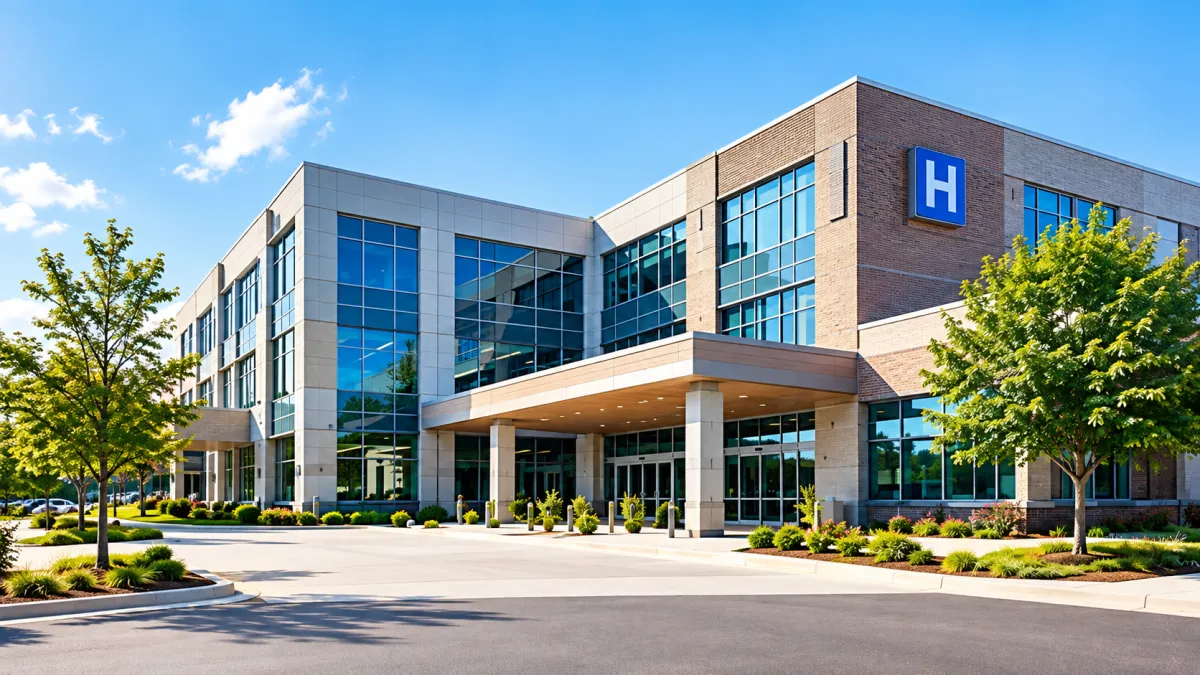
Community-Serving
Buildings
The initiative may support rehabilitation and modernization projects involving:
- Healthcare facilities.
- Educational facilities.
- Community centers.
- Municipal buildings.
- Recreational facilities.
- Other community-serving infrastructure.
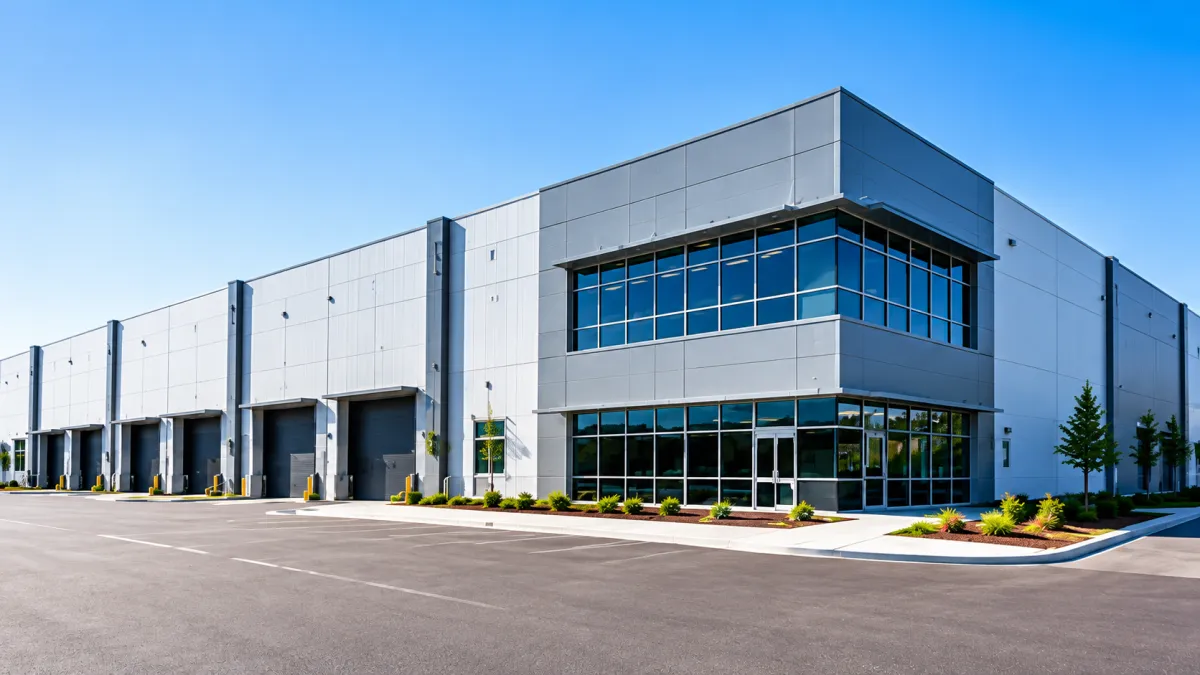
Commercial and
Industrial Facilities
Potential projects may include:
- Commercial buildings.
- Industrial facilities.
- Warehouses.
- Hospitality properties.
- Offices.
- Mixed-use developments.
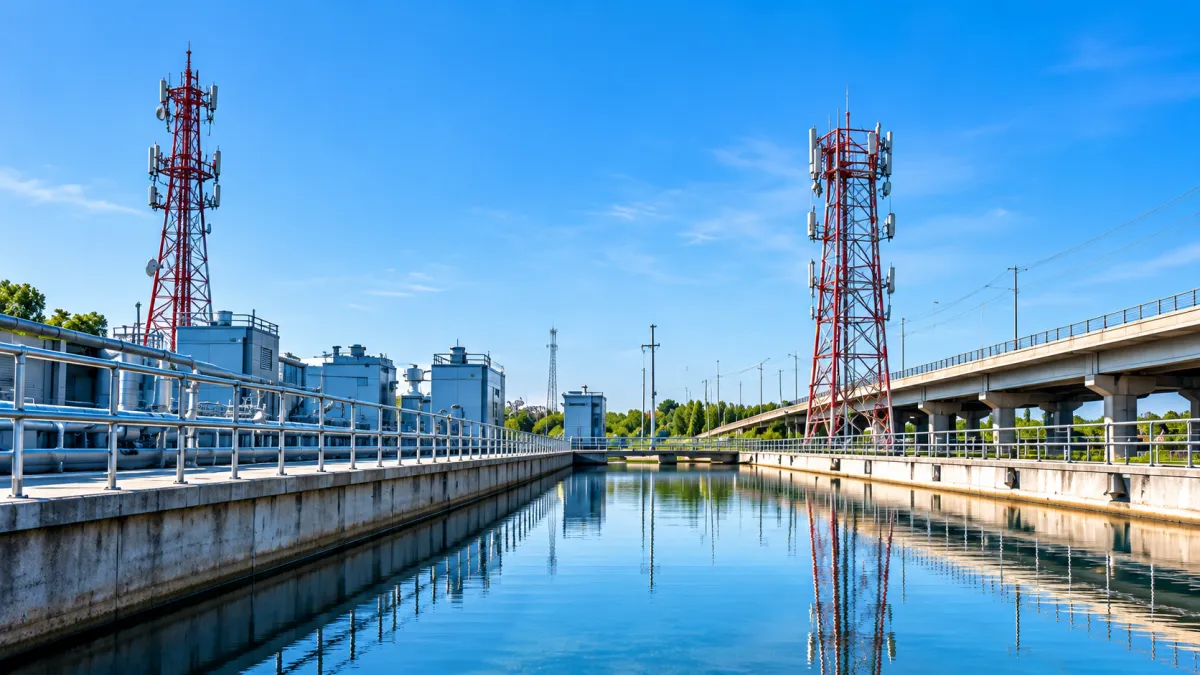
Essential Public and
Connectivity Infrastructure
The initiative may also support projects related to:
- Public utilities.
- Water infrastructure.
- Telecommunications.
- Transportation-supporting assets.
- Public facilities.
- Other essential infrastructure systems.
How the Initiative Creates Value
The program is designed to improve project execution through:
The protocol organizes project supervision into seven structured phases that support consistent oversight, documentation, coordination, and quality control throughout the project lifecycle.
Quality Assurance
Structured inspections, documented verification, and corrective-action follow-up.
Project Accountability
Clear responsibilities, traceable records, and systematic issue tracking.
Early Identification
of Problems
Potential deficiencies and coordination issues are identified before they become more difficult or costly to resolve.
Multidisciplinary
Coordination
Improved communication among owners, contractors, architects, engineers, inspectors, suppliers, and specialized professionals.
Performance
Monitoring
Project progress, inspections, deviations, corrective actions, documentation, and other indicators can be monitored throughout implementation.
Continuous
Improvement
Lessons learned from completed projects are incorporated into future supervision practices, documentation, and training.
7-PHASE SUPERVISION FRAMEWORK
Scalable Organizational Model
The initiative is designed to expand through the replication of trained supervision teams.
The organizational model will evolve from:
Founder-Led
Implementation
The initiative begins with direct implementation and supervision led by the founder.
Initial
Operational Team
An initial team supports project supervision, documentation, coordination, and quality control.
Additional
Trained Supervisors
New supervisors are trained to apply the same protocol, documentation structure, and quality principles.
Regional
Supervision Teams
Trained professionals form regional teams capable of supporting projects in additional geographic areas.
Multi-State
Supervision Network
The model expands into a coordinated network of supervision teams across multiple states.
The same core protocol, documentation structure, quality principles, and performance measurement system will support consistency as the initiative grows.
7-PHASE SUPERVISION FRAMEWORK
Initial Implementation and National Growth
The initiative will begin implementation in New York.
Implementation
Expansion
Growth

As project demand and operational capacity increase, the initiative is designed to expand into additional regions of the United States through trained supervision teams and local professional networks.
Workforce and Economic Impact
The initiative is designed to support both direct operational employment and broader project-based economic activity.
As project volume grows, projects may involve participation from:
Architects
Engineers
Contractors
Inspectors
Skilled Trades
Testing Providers
Suppliers
Technology
Providers
Specialized
Professional Firms
Lean Internal Structure
The initiative will use a lean internal structure while coordinating qualified project-specific professionals and businesses according to the requirements of each project.
Core
Operational Team
Qualified
Professionals
Project-Based
Economic Activity
Performance and Continuous Improvement
The initiative will use measurable indicators to evaluate supervision performance and organizational growth.
These indicators may include:
Each project will also contribute to a continuous improvement cycle:
Projects
supervised.
Inspections
completed.
Corrective
actions closed.
Documentation
compliance.
Protocol
compliance.
Project
progress.
Team
capacity.
Geographic
expansion.
CONTINUOUS
IMPROVEMENT
Project
Implementation
Performance
Measurement
Identification
of Trends
Lessons
Learned
Protocol
Review
Toolkit
Update
Training
Update
Future
Implementation
vision
A Scalable Framework for Consistent Infrastructure Supervision
The long-term objective of the National Resilient Community Infrastructure & Construction Program is to establish a scalable, measurable, and transferable infrastructure supervision model capable of supporting rehabilitation and modernization projects across multiple regions of the United States.
The initiative is designed to strengthen:
Quality
Documentation
Traceability
Accountability
Consistency
Continuous
Improvement
Erick Sánchez
Architect | Founder and Project Director
& Infrastructure
Planning
& Modernization
Erick is an architect whose professional background is related to architecture, construction, and infrastructure development, with experience supporting the planning, coordination, supervision, and implementation of projects.
His professional experience provides a practical foundation in project planning, construction processes, infrastructure assessment, coordination, and the use of digital tools to support the development and management of infrastructure projects.
Building on this experience, he developed an initiative focused on the rehabilitation, modernization, and efficient management of community infrastructure in the United States. The initiative combines structured methodologies, digital tools, technical assessment, project planning, and continuous improvement processes to help organizations manage and modernize existing infrastructure more effectively.
Publications & Professional Resources
Explore publications and professional resources authored by Erick, available through Amazon.
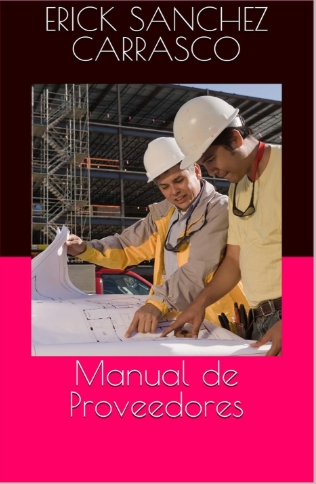
Manual de Proveedores
Spanish EditionExplore this professional publication available through Amazon.
View on Amazon →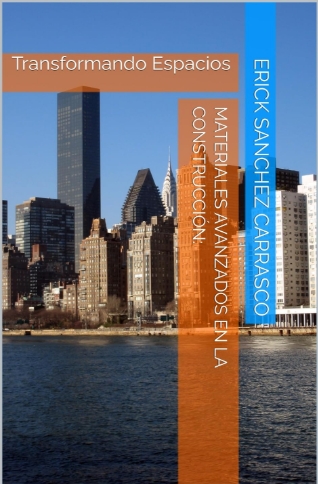
Materiales Avanzados en la Construcción: Transformando Espacios
Spanish EditionExplore this professional publication available through Amazon.
View on Amazon →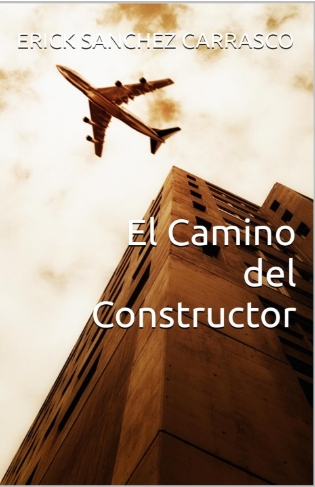
El Camino del Constructor
Spanish EditionExplore this professional publication available through Amazon.
View on Amazon →Contact Call to Action
Discuss an Infrastructure Supervision Project
For information regarding project collaboration, infrastructure supervision, professional coordination, or potential project opportunities, please contact us.
Strengthening infrastructure rehabilitation and modernization through structured supervision, quality assurance, documentation, and continuous improvement.
Copyright © 2026 National Resilient Community Infrastructure & Construction Program. All Rights Reserved.